How it works
How an airplane flies: the four forces, simply explained
Lift, weight, thrust and drag: four forces are enough to describe how an aircraft flies. An explanation without unnecessary equations.
By Rédaction··1 min read
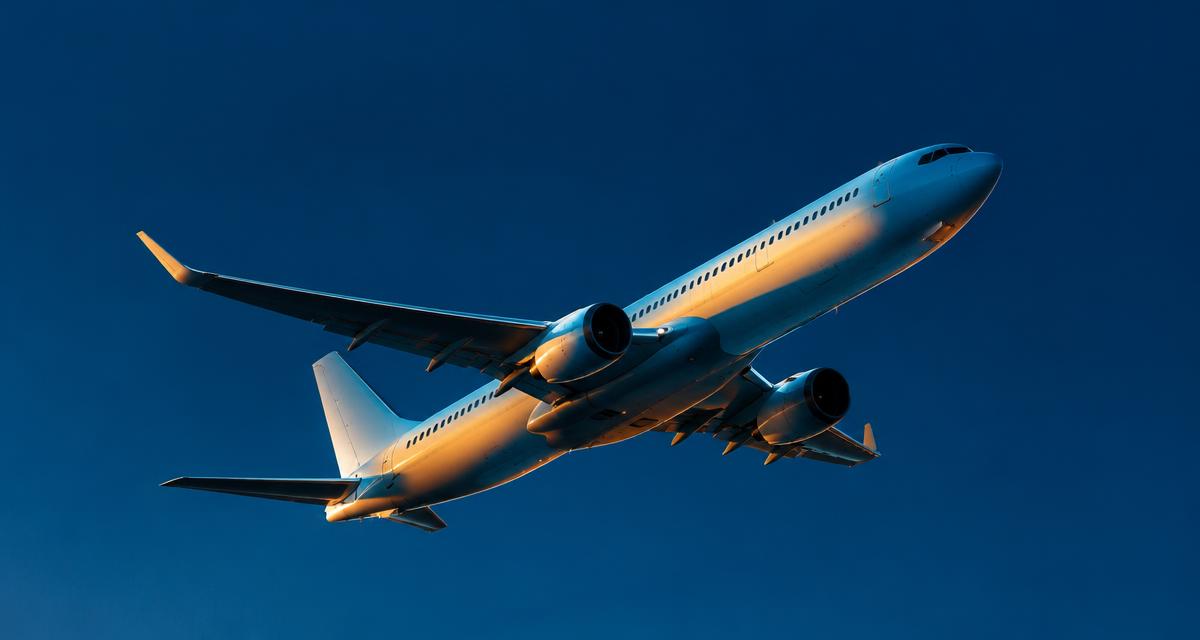
Four forces in balance
In flight, an aircraft is constantly subject to four forces. Weight pulls it toward the ground. Lift, produced mainly by the wings, opposes it. Thrust, provided by the engines, moves it forward. Drag, the air's resistance, slows it down.
When these forces balance in pairs, the aircraft flies level at constant speed. To climb, accelerate or slow down, the pilot changes that balance.
Where does lift come from?
A wing is shaped and tilted relative to the airflow — the angle of attack. Air is deflected downward, and pressure below the wing becomes higher than above it. This pressure difference produces lift.
Lift increases with speed, wing area, air density and angle of attack — up to a limit. Beyond a critical angle, the airflow separates from the upper surface: this is a stall, and lift drops sharply.
Thrust and drag
A jet engine or propeller accelerates a mass of air rearward; in reaction, the aircraft is pushed forward. Drag includes skin friction, form drag and induced drag, which is a by-product of generating lift. Wingtip devices (winglets) are designed to reduce the latter.
Key takeaways
- Steady level flight means the four forces are in balance.
- Lift depends on speed, wing area, air density and angle of attack.
- A stall happens when the angle of attack exceeds a critical value, not only at low speed.
Sources
Related
Careers and training
Part-66 licence: how do you become an aircraft maintenance technician?
In Europe, certifying an aircraft's release to service after maintenance requires a Part-66 licence issued under EASA rules. Categories, training and experience explained.
27 October 2026
Innovation
Sustainable aviation fuels: the timeline set by ReFuelEU Aviation
The EU's ReFuelEU Aviation regulation requires fuel suppliers to provide a growing minimum share of sustainable fuel at EU airports, from 2% in 2025 to 70% in 2050.
24 October 2026