Airlines
The low-cost model: how budget airlines transformed air transport
A single fleet type, fast turnarounds, direct sales and paid extras: the low-cost model rests on strict cost discipline. Its principles, its weight and how it is changing.
By Rédaction··3 min read
A model born of liberalisation
Low-cost carriers did not appear by chance. Their growth is closely linked to the liberalisation of air transport, first in the United States and then in Europe with the creation of the internal aviation market. The International Civil Aviation Organization (ICAO) points out that market deregulation and open air services agreements allowed these airlines to create new services and stimulate new demand, a phenomenon known as the "Southwest effect", after the pioneering US airline.
The cost levers
There is no single legal definition of a low-cost airline, and ICAO itself describes an approach rather than a status. Several levers nevertheless come up regularly:
- a single fleet type, often one single-aisle model, which simplifies crew training, maintenance and spare parts management;
- high aircraft utilisation, thanks to short turnaround times and many rotations per day;
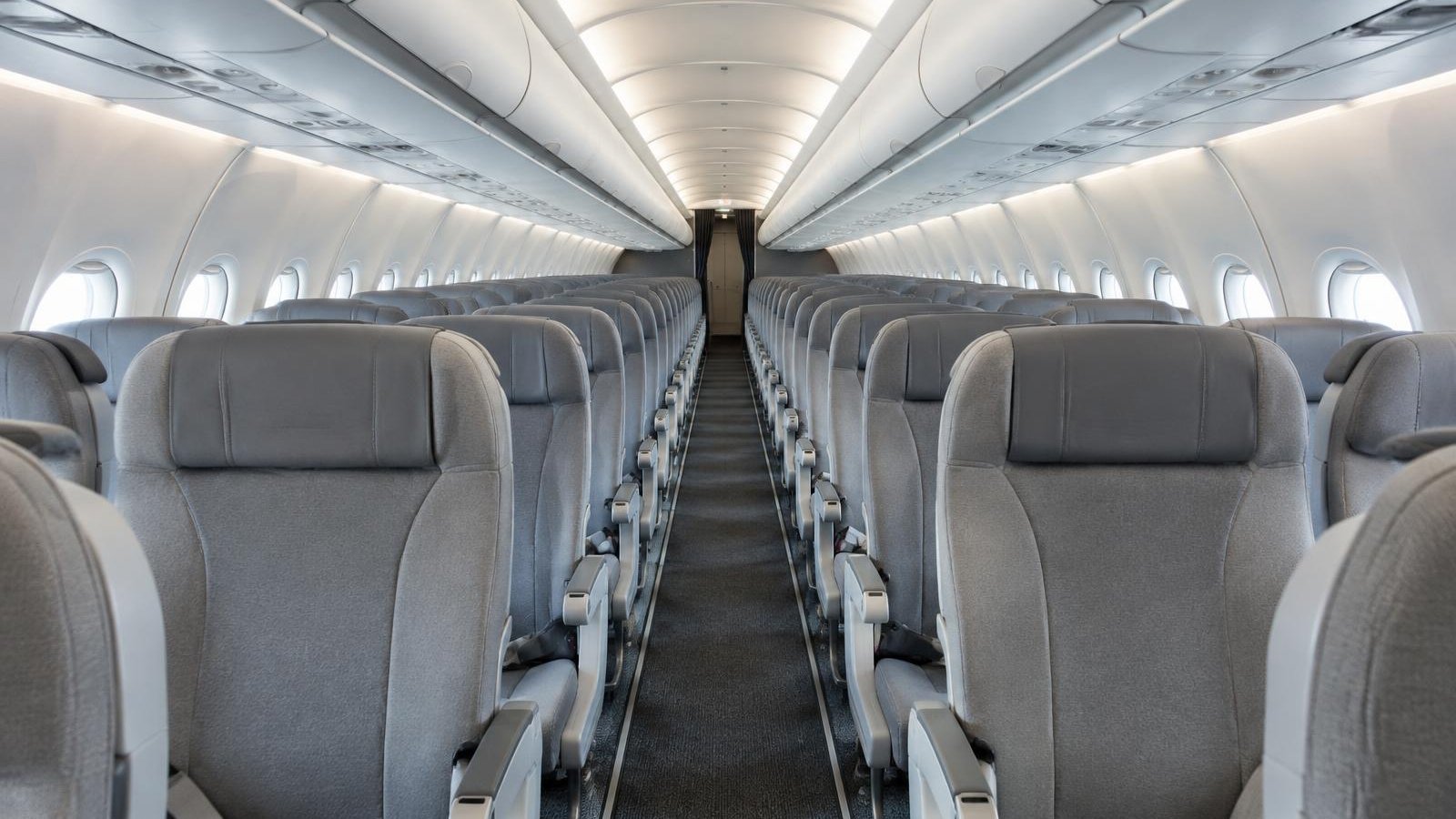
- high seat density, with a single cabin class;
- direct sales, mainly online, which cut distribution costs;
- frequent use of secondary airports, where charges may be lower and congestion less severe;
- a network often organised point to point, without guaranteed connections.
Fares and paid extras
The second defining feature is how fares are built. The base ticket covers carriage, while many services are sold separately: checked baggage, seat selection, priority boarding and on-board catering. These "ancillary" revenues have become essential to the airlines' economics.
ICAO stresses this logic: identifying precisely what passengers are willing to pay for and building the product accordingly. The practice has gradually been adopted by legacy carriers too, which now also offer fares without checked baggage.
A considerable weight
Available figures show the scale of the phenomenon. According to ICAO, low-cost carriers carried 984 million passengers in 2015, or 28% of worldwide scheduled traffic, growing around one and a half times faster than the global average. Europe was then the region where their share of seat capacity was highest, at 41%.
An analysis by the International Air Transport Association (IATA) published in 2017 put low-cost carriers' share of seats worldwide at 27% in 2016, up from 19% a decade earlier. It highlighted very wide differences: nearly half of all seats in the United Kingdom, Italy and Spain, around a quarter in Germany and France, and much lower levels in other regions. These figures, now dated, illustrate an underlying trend rather than the current situation.
A model in motion
The low-cost model is not set in stone. ICAO notes that these airlines use varied models, including hub-based networks, and that no type of airline is "best": network carriers, low-cost carriers and hybrid models meet different needs.
Several developments are visible: some budget airlines offer connections, others sell fares that bundle more services to attract business travellers, and a few are testing long-haul, a harder market because the gains from fast turnarounds are smaller. Conversely, legacy airlines have often set up their own low-cost subsidiaries to compete with these players on short and medium-haul routes.
What passengers should remember
For travellers, comparing offers means thinking in terms of total price, including baggage, seat and any extra fees, as well as the cost of reaching departure and arrival airports, which are sometimes further from the city centre. The revision of air passenger rights adopted at European level in 2026 places particular emphasis on fare transparency and comparability, notably for hand baggage.
Sources
Related
Airlines
Aircraft leasing: understanding dry leases and wet leases
Many airliners do not belong to the airlines that fly them. Dry lease, wet lease, ACMI: the mechanisms and the rules that govern them.
13 October 2026
Airlines
Star Alliance, SkyTeam, oneworld: what are airline alliances for?
Since the late 1990s, three major alliances have shaped cooperation between network airlines. What they offer passengers and airlines, and what they do not do.
18 September 2026
Airlines
The hub-and-spoke model: how major airlines organise their networks
Why do so many long-haul journeys involve a connection in Paris, Amsterdam or Frankfurt? An explanation of the hub-and-spoke network, a pillar of legacy airline strategy.
7 September 2026