Innovation
Electric aircraft: why batteries still limit flight
The first certified fully electric aeroplane has been flying since 2020, but it carries two people for less than an hour. The explanation comes down to one figure: the energy stored per kilogram of battery.
By Rédaction··3 min read
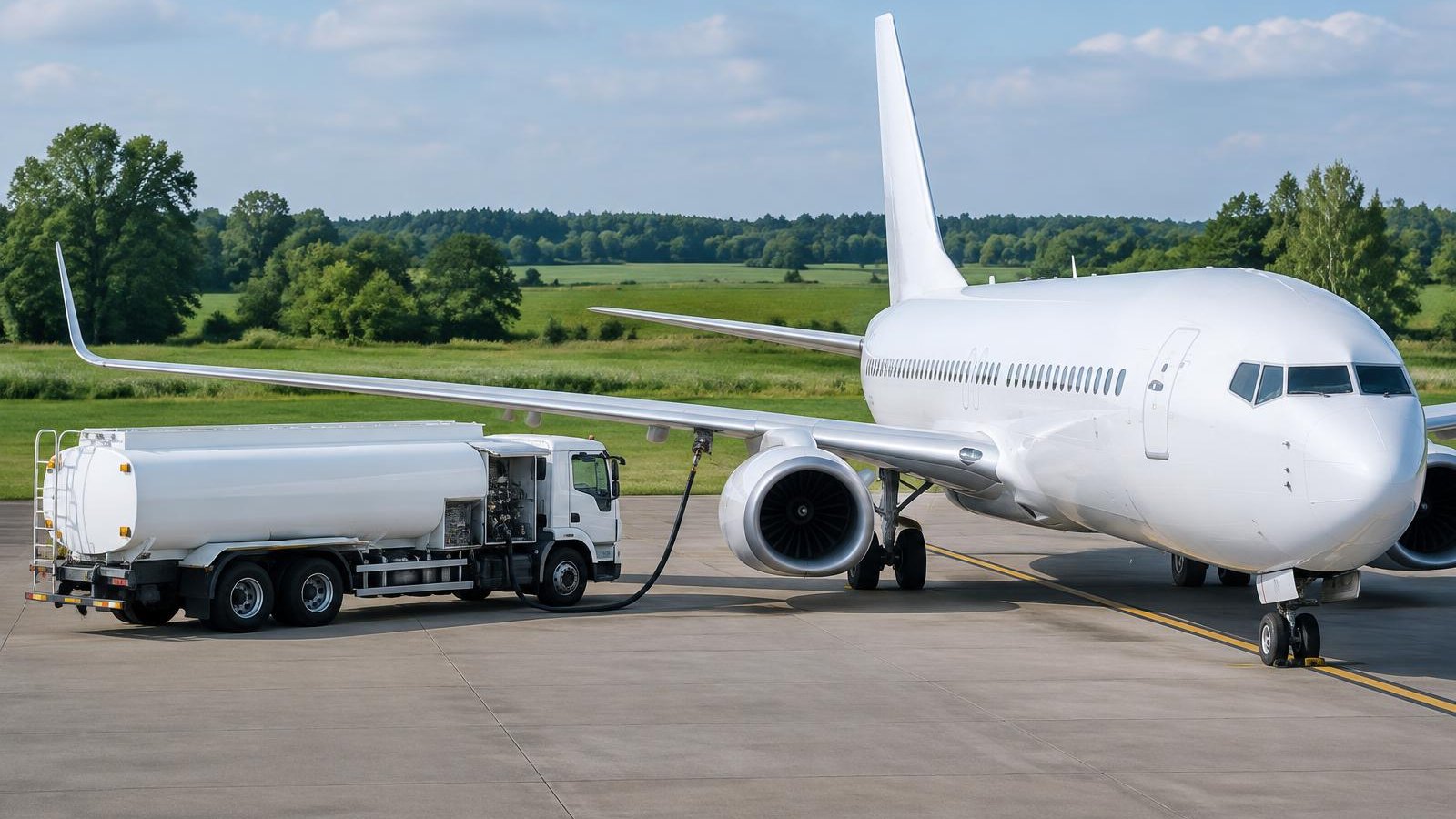
On 10 June 2020, the European Union Aviation Safety Agency (EASA) issued a type certificate to the Pipistrel Velis Electro, presented as the world's first certification of a fully electric aeroplane. Six years on, electric aviation is progressing but remains confined to small aircraft. To understand why, we need to look at the energy carried on board.
The Velis Electro, a training aircraft
The Velis Electro is a two-seater designed primarily for pilot training. According to its manufacturer, it has an E-811 electric motor with a maximum power of 57.6 kW and two in-house batteries that recharge in 1 hour 20 minutes. Its typical endurance is 50 minutes, plus the regulatory visual flight reserve, at a cruise speed of about 163 km/h. It is approved for day visual flight.
These characteristics suit the intended use: training flights are short, repetitive, and depart from and return to the same airfield. The aircraft also brings tangible benefits: no emissions in flight, a quoted noise level of about 60 dBA and simpler mechanics than a piston engine.
The heart of the problem: energy per kilogram
A paper by NASA researchers on the barriers to adopting electric flight sets out the basic fact: jet fuel (Jet A) contains about 43 megajoules per kilogram, or nearly 12,000 watt-hours per kilogram. The best batteries cited in that work approached 200 Wh/kg at cell level, and complete packs were then closer to 110 to 130 Wh/kg.
The authors therefore estimate that, for the same mass, a modern battery stores 60 to 100 times less energy than aviation fuel. The gap narrows in practice, because:
- an electric motor is far more efficient than a combustion engine (up to about three times as efficient as a petrol engine, according to the paper);
- a fuel-burning aircraft gets lighter as it uses fuel, whereas a battery aircraft does not, but the two effects partly offset each other;
- a battery is never fully discharged, which works the other way.
Overall, the shortfall remains in the order of 10 to 20 times, depending on the mission. That explains why electric aircraft today carry few passengers over short distances.
An aircraft that does not get lighter
This feature has direct consequences for design. A conventional aircraft takes off heavy and lands light; a battery aircraft lands at the same mass it took off with. The structure, landing gear and performance must take this into account. Batteries also raise specific safety issues, notably the risk of thermal runaway, which authorities address through dedicated certification requirements.
Ways to go further
Several avenues are being explored to widen the scope of electric flight:
- better batteries, whose energy density is improving, though at a pace still far from closing the gap with kerosene;
- hybrid electric propulsion, which combines a combustion engine with electric motors to cut fuel burn during certain phases of flight;
- hydrogen fuel cells, which generate electricity on board instead of storing it;
- new architectures, such as distributed propulsion, made possible by electric motors.
Infrastructure matters too: the NASA study notes that the need for charging or battery-swap facilities can hold back adoption at airfields.
Key points
- In 2020 the Velis Electro became the first fully electric aeroplane to be certified, by EASA.
- Jet fuel stores about 12,000 Wh/kg, against a few hundred at best for batteries.
- Even allowing for the efficiency of electric motors, the gap remains around 10 to 20 times.
- Electric flight is advancing first in training and small aircraft, while hybrid and hydrogen solutions target longer missions.
Sources
Related

Innovation
Sustainable aviation fuels: the timeline set by ReFuelEU Aviation
The EU's ReFuelEU Aviation regulation requires fuel suppliers to provide a growing minimum share of sustainable fuel at EU airports, from 2% in 2025 to 70% in 2050.
24 October 2026
Innovation
Hydrogen aircraft: what Airbus's switch to fuel cells changes
In 2025, Airbus revised its ZEROe roadmap and chose a fully electric aircraft concept powered by fuel cells. Why hydrogen is attractive, and why it remains so hard to carry on board.
7 October 2026
Innovation
CFM RISE: where does the open fan engine stand?
With its RISE programme, CFM International is targeting fuel burn more than 20% lower than today's engines thanks to an open fan. A progress report on an architecture that breaks with forty years of nacelles.
12 September 2026