Careers and training
Becoming an airline pilot: from initial training to the ATPL
Integrated or modular training, a "frozen" ATPL, 1,500 flying hours: the path to the flight deck of an airliner is long, demanding and governed by the EU Aircrew Regulation. Here are the main steps.
By Rédaction··3 min read
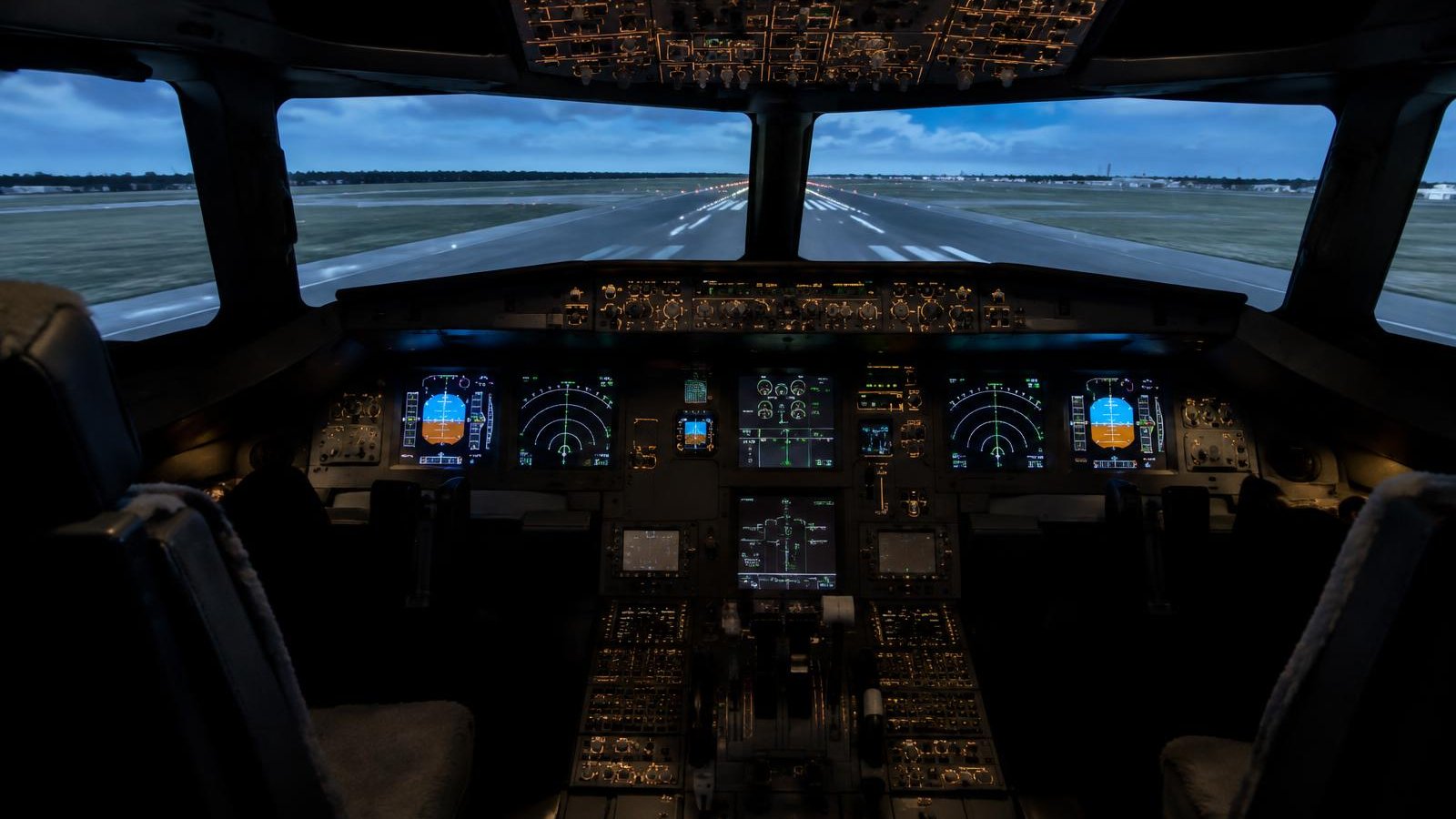
In Europe, the airline pilot's profession rests on a single licence: the ATPL (Airline Transport Pilot Licence), issued under the common rules of Regulation (EU) No 1178/2011, known as "Aircrew", which the European Union Aviation Safety Agency (EASA) publishes in consolidated form. Yet nobody leaves flight school holding a full ATPL: the path comes in stages, and the final one is completed while working for an airline.
Before you start: medical fitness and prerequisites
The first filter is medical. Every candidate needs a Class 1 medical certificate, issued by an approved aeromedical centre, and it is wise to obtain it before spending any money on training. Schools generally require a minimum age of 17 to start, a good grounding in science and solid English, the working language of international aviation.
Two main routes: integrated or modular
The European rules provide two ways to train, delivered by approved training organisations.
- Integrated training is aimed at candidates with no flying experience or who want the fastest route. Everything is combined into a single course lasting around two years: ATPL theory, solo flying, the commercial pilot licence (CPL), a multi-engine instrument rating, multi-crew cooperation (MCC) and an aviation English certificate. According to the French youth information centre CIDJ, it can cost up to EUR 100,000 at a private school.
- Modular training is a step-by-step route for those who already hold a private pilot licence (PPL). Trainees complete the modules one after another (ATPL theory, CPL, instrument rating, MCC) at their own pace and usually at a somewhat lower cost.
In both cases the theory covers a wide range of subjects: air law, aircraft general knowledge, performance and flight planning, meteorology, navigation, human performance, operational procedures and communications.
The public route and airline programmes
In France, the École nationale de l'aviation civile (ENAC) trains airline pilot cadets free of charge after a competitive entrance exam, with several entry routes depending on the candidate's profile, each with its own age limits. CIDJ notes that candidates may sit this exam no more than three times in total. Some airlines, such as Air France, also run cadet recruitment campaigns with funded training. Finally, the armed forces train their own pilots, some of whom later move to civil aviation.
The "frozen" ATPL, then the type rating
At the end of initial training, the newly qualified pilot holds a CPL together with the ATPL theory exams: this is commonly called a frozen ATPL. It does not yet allow them to command an airliner.
To be employed by an airline, the pilot then needs:
- upset prevention and recovery training (UPRT);
- a type rating on the aircraft they will fly, for example an A320 or a Boeing 737, largely completed in a simulator;
- a period of line training under the supervision of a training captain.
"Unfreezing": 1,500 hours and a skill test
The full ATPL is only issued once experience has been built up. The pilot must log 1,500 flying hours, most of them as first officer, and then pass a skill test with an examiner. Only then is the licence "unfrozen", and the pilot can aspire, depending on the airline's needs and seniority, to a captain's seat.
A career under constant review
The licence is never earned once and for all. Throughout their career, pilots regularly undergo simulator and line checks, renew their medical certificate and maintain their English proficiency. This continuous monitoring is an integral part of the job.
Key points
- The reference licence is the ATPL, governed at European level by the Aircrew Regulation.
- Two routes lead to a frozen ATPL: integrated (fast, expensive) or modular (gradual).
- ENAC offers a free but highly selective public route in France.
- A full ATPL requires 1,500 flying hours and a skill test.
Before committing, candidates are advised to check the school's approval with the competent authority, compare exactly what the advertised price includes and find out about the real job market at the time.
Sources
Related
Careers and training
Part-66 licence: how do you become an aircraft maintenance technician?
In Europe, certifying an aircraft's release to service after maintenance requires a Part-66 licence issued under EASA rules. Categories, training and experience explained.
27 October 2026
Careers and training
Becoming cabin crew: how to obtain the Cabin Crew Attestation
The Cabin Crew Attestation (CCA) is the European passport for flight attendants. Approved training, theory and practical exams, validity: how the system works in France.
25 September 2026
Careers and training
Becoming an aeronautical engineer in France: schools, pathways and specialisms
Design office, flight testing, structures, systems or civil aviation: the aeronautical engineer's job covers very different realities. An overview of the master's-level courses that lead to it in France.
11 September 2026