Careers and training
Becoming cabin crew: how to obtain the Cabin Crew Attestation
The Cabin Crew Attestation (CCA) is the European passport for flight attendants. Approved training, theory and practical exams, validity: how the system works in France.
By Rédaction··3 min read
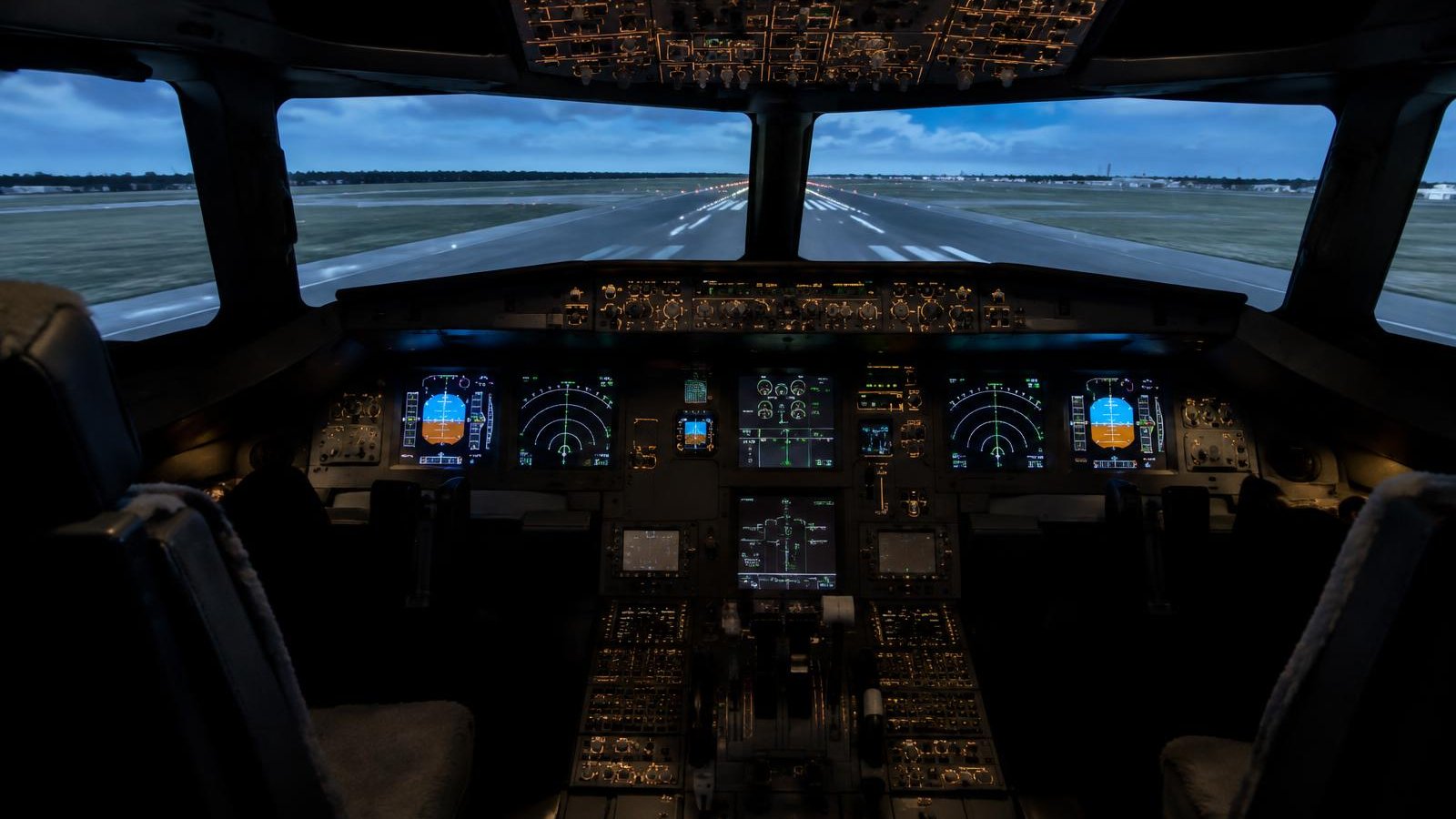
Passengers see them serving meals and welcoming people on board, but the primary purpose of cabin crew is safety. In an evacuation, a cabin fire, a passenger's medical emergency or a ditching, they are the ones who act. That is why the European Union created a common qualification: the Cabin Crew Attestation, or CCA.
A European qualification since 2013
The CCA was established by Regulation (EU) No 1178/2011, known as "Aircrew", whose Annex V sets out the requirements for cabin crew. According to the French ministry responsible for transport, the scheme came into force on 8 April 2013. The CCA is now the qualification required to work in commercial operations for a European airline, and it is recognised in every Member State.
In France, the Directorate General for Civil Aviation (DGAC) issues the attestation. Candidates must first complete initial training with a DGAC-approved organisation, then pass two exams run by the authority: a theoretical exam and a practical one.
The theoretical exam
According to the official theoretical exam guide published by the DGAC (version of 1 December 2025), the exam works as follows:
- a multiple-choice questionnaire of at least 70 questions;
- a duration of 1 hour 45 minutes;
- a pass mark of 75% of the available points; wrong or blank answers score nothing;
- if successful, a certificate valid for 24 months, during which the candidate must take the practical exam.
The syllabus covers regulations, human factors, aircraft knowledge, emergency procedures, firefighting, survival and first aid.
The practical exam
The practical exam is only open to holders of a valid theory certificate. It has two parts: safety aspects (weighting 2) and medical aspects (weighting 1). Candidates need a weighted average of at least 12 out of 20. Some scores are eliminatory: below 6/20 in the water test, or below 10/20 for the safety aspects as a whole or for the medical aspects. The tests are conducted by examiners appointed by the French civil aviation safety directorate (DSAC).
Getting into the job
The CCA is not everything. The European rules set a minimum age of 18, and medical fitness is assessed. On the airline side, CIDJ, the French youth information centre, highlights several common expectations:
- being able to swim, with some airlines asking for a certificate;
- fluent English, often evidenced by a recent B2 level; a second foreign language is an asset;
- at least the baccalauréat (secondary school diploma), with many successful candidates holding two years of higher education.
CIDJ also notes that some airlines hire candidates without a CCA and train them afterwards. Once hired, new crew members also complete training specific to the operator and to the aircraft type they will fly.
An attestation that can lapse
The CCA remains valid as long as its holder keeps working. According to the ministry, a French-issued CCA lapses if the holder has not exercised cabin crew duties for 60 months. Someone who has never flown must then repeat the initial training and exam; someone who has worked for a European airline can reactivate it through refresher training and a check arranged with their airline.
Key points
- The CCA is the mandatory European qualification for working as cabin crew.
- It is obtained after approved training and two exams run by the DGAC.
- Theory: a multiple-choice test of at least 70 questions with a 75% pass mark; practical: a 12/20 average with eliminatory scores.
- The attestation lapses after 60 months without cabin crew activity.
Before choosing a training provider, it is worth checking that it is approved by the DGAC and consulting the official exam session calendars.
Sources
Related
Careers and training
Part-66 licence: how do you become an aircraft maintenance technician?
In Europe, certifying an aircraft's release to service after maintenance requires a Part-66 licence issued under EASA rules. Categories, training and experience explained.
27 October 2026
Careers and training
Becoming an airline pilot: from initial training to the ATPL
Integrated or modular training, a "frozen" ATPL, 1,500 flying hours: the path to the flight deck of an airliner is long, demanding and governed by the EU Aircrew Regulation. Here are the main steps.
1 October 2026
Careers and training
Becoming an aeronautical engineer in France: schools, pathways and specialisms
Design office, flight testing, structures, systems or civil aviation: the aeronautical engineer's job covers very different realities. An overview of the master's-level courses that lead to it in France.
11 September 2026