Defence
FCAS: understanding Europe's Future Combat Air System
Launched in 2017 by France and Germany and joined by Spain, FCAS (SCAF in French) is not just about designing a new fighter. It is a "system of systems" expected around 2040.
By Rédaction··3 min read
More than a Rafale successor
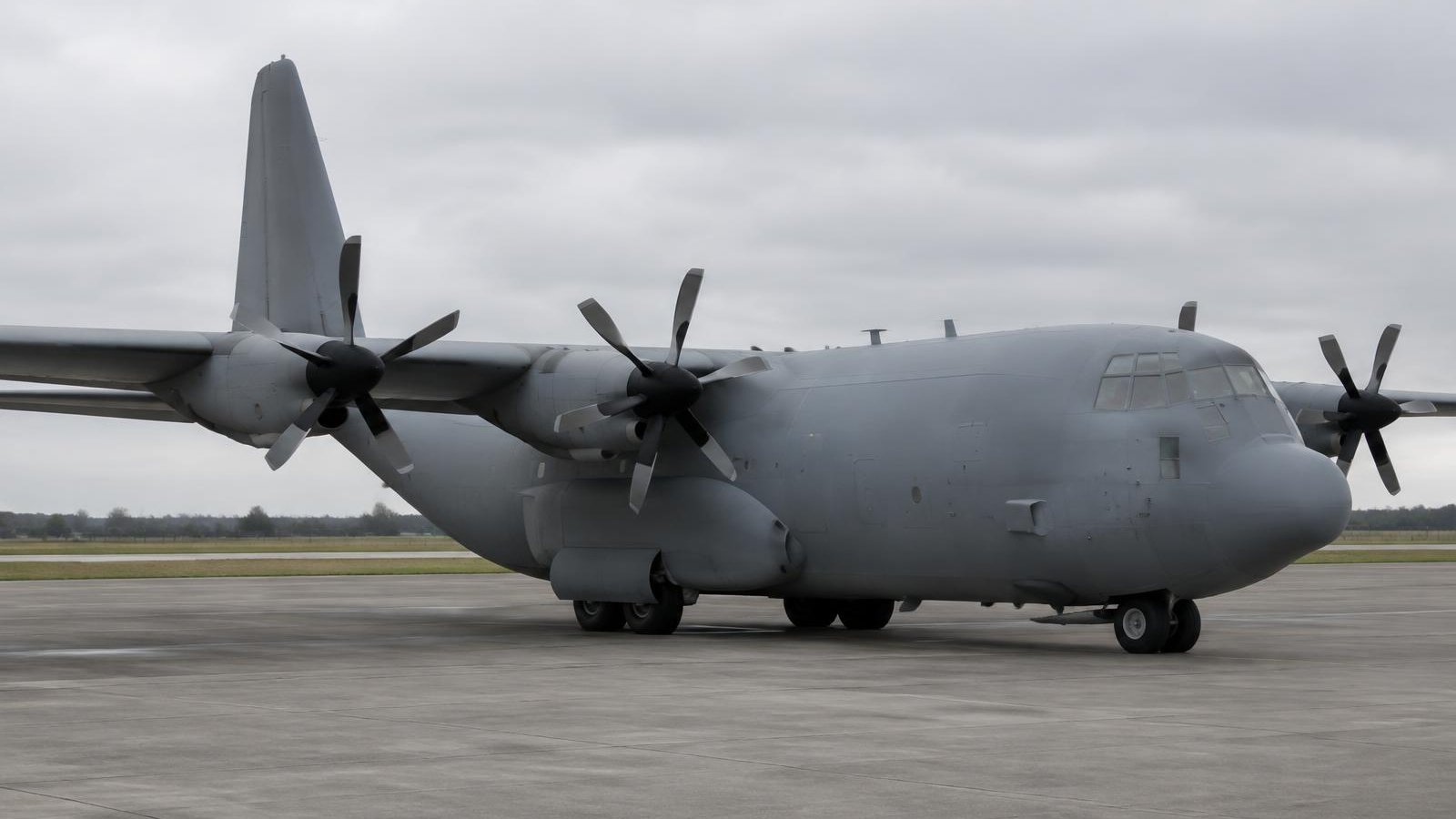
The Future Combat Air System (FCAS), known in French as SCAF, is often presented as the successor to France's Rafale and to the Eurofighter flown by Germany and Spain. Yet the programme is broader than simply replacing an aircraft. According to the French Ministry of the Armed Forces' briefing file, it is a system of systems for connected, collaborative air combat, designed to address the threats expected around 2040.
The programme's common core, called NGWS (Next Generation Weapon System), rests on three building blocks:
- a New Generation Fighter (NGF);
- accompanying drones, called remote carriers, intended to operate alongside crewed aircraft;
- a combat cloud, a network linking all platforms and allowing information to be shared in real time.
The idea is that performance should no longer depend on a single aircraft, but on the ability of a set of aircraft and sensors to work together. Existing aircraft are meant to be integrated: the French ministry plans, for example, to link the A400M to the support assets of the future system.
A step-by-step timeline
The programme has been built up gradually:
- 13 July 2017: France and Germany decide to jointly develop a combat air system to replace their current fleets;
- 2018–2019: a common operational requirements document is signed by the two countries, then by Spain, which joins the project in February 2019;
- February 2019: a first concept and architecture study contract is awarded to Dassault Aviation and Airbus;
- June 2019: a framework agreement is signed at the Paris Air Show;
- December 2022: launch of the so-called Phase 1B, worth €3.2 billion, covering around three and a half years of research and demonstrator design.
France's procurement agency, the DGA, awards the contracts on behalf of the three states.
Who does what?
FCAS is based on an industrial division of work among the three countries, organised by domain. According to the split announced at the launch of Phase 1B:
- the NGF aircraft is led by Dassault Aviation as prime contractor for France, with Airbus as main partner for Germany and Spain;
- the engine is the responsibility of EUMET, a 50/50 joint venture of Safran Aircraft Engines and MTU Aero Engines, with Spain's ITP;
- the remote carriers and the combat cloud are led by Airbus for Germany, with MBDA and Satnus, and Thales and Indra respectively, as partners;
- sensors are led by Indra for Spain, with Thales and the German FCMS consortium;
- low observability is led by Airbus for Spain.
This split reflects a principle of balanced cooperation between nations, at the cost of a complex organisation.
A demonstrator first, then the full system
The timetable is built on successive phases. Phase 1B is intended to consolidate the architecture and mature the necessary technologies. According to Safran, demonstration flights are envisaged in the following phases, around 2028–2029. Those later phases require new decisions by the partner states, which makes the schedule a subject to watch closely.
Why such a programme?
The cost and complexity of a new-generation combat aircraft have led these countries to pool their efforts. The programme's industrial partners present it as a tool for European strategic autonomy. Cooperation also brings challenges: reconciling military requirements that sometimes differ, sharing out work and protecting each partner's know-how.
Key points
FCAS is not an aircraft but a whole: a fighter, drones and a network linking them. Its horizon remains 2040, and its progress depends as much on the political choices of the three countries as on technological advances.
Sources
Related
Defence
Rafale: the history and principles of an "omnirole" combat aircraft
Designed in the 1980s to replace several aircraft types at once, the Rafale equips the French Air and Space Force and the French Navy. A look at a programme that evolves through successive "standards".
14 October 2026
Defence
A400M Atlas: Europe's military transport aircraft explained
Able to fly between continents and then land on a rough strip, the A400M Atlas has become a central tool of European military airlift. Its characteristics, missions and multinational organisation.
3 October 2026
Defence
A330 MRTT Phénix: a tanker that doubles as a transport aircraft
Derived from an airliner, the A330 MRTT refuels combat aircraft in flight, carries troops and can become a flying hospital. In France it is called Phénix; in Europe it also equips a pooled multinational fleet.
27 September 2026