General aviation
Microlights in France: six classes of aircraft and a licence with no minimum hours
Paramotor, weight-shift, three-axis, gyroplane, balloon or ultralight helicopter: the French ULM category covers six families of aircraft. An overview of a popular activity in France and the steps to becoming a pilot.
By Rédaction··3 min read
Accessible leisure flying
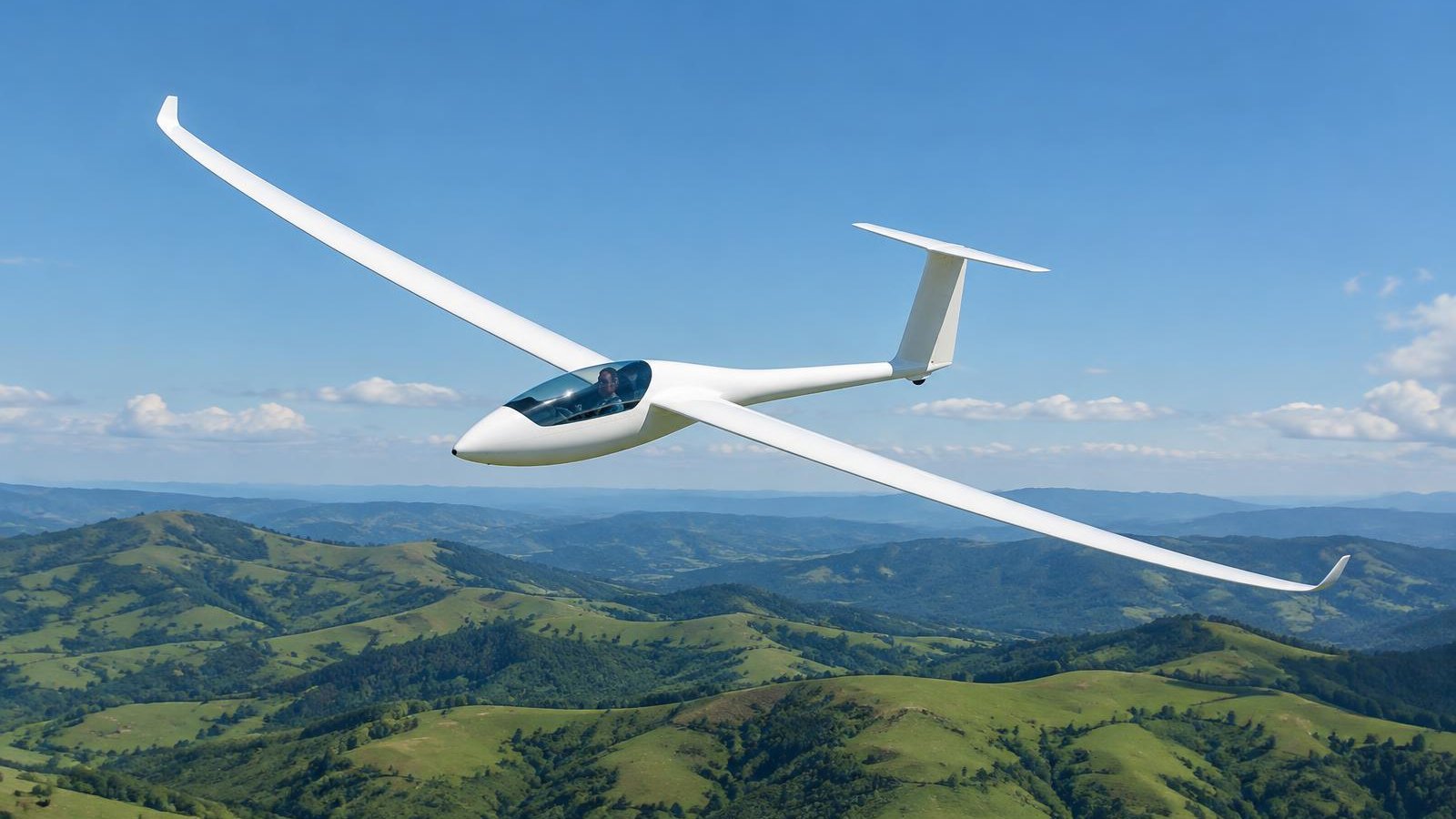
ULM, short for ultraléger motorisé, is the French term for microlight or ultralight aircraft: very light leisure aircraft subject to specific national rules. The French sports ministry describes the activity as accessible sport and leisure aviation, suitable for flying over mountains or the sea, taking part in competitions or simply flying for pleasure.
In France the activity is organised by the French Microlight Federation (FFPLUM), based in Maisons-Alfort. According to its website, it has nearly 16,000 members and more than 700 affiliated clubs and schools. Federation figures compiled by the DGAC for 2022 put membership at 16,521 and the number of affiliated structures at 846, making microlights one of the main light aviation disciplines in France, behind club aeroplane flying.
Six classes of aircraft
The rules distinguish six classes of microlight, each with its own regulations, training and flying sites:
- class 1, the paramotor: a soft wing similar to a paraglider, combined with an engine worn on the pilot's back or mounted on a trolley;
- class 2, weight-shift: a delta wing beneath which a powered trike is suspended, controlled by the pilot shifting body weight;
- class 3, three-axis: an aircraft that looks like a small aeroplane, with conventional control surfaces;
- class 4, the gyroplane: an aircraft supported by a rotor that turns freely in the relative wind, and driven by a propeller;
- class 5, the ultralight aerostat: a small airship or hot-air balloon meeting the microlight criteria;
- class 6, the ultralight helicopter.
Each class corresponds to a separate qualification: a pilot qualified on weight-shift must complete additional training to fly a three-axis machine.
A regulatory regime of its own
Unlike light aeroplanes subject to EASA's European rules, microlights in France fall under a national framework, set notably by the order of 23 September 1998 on ultralight motorised aircraft. This framework defines the technical characteristics of each class, in particular mass and seating limits, and is based on a declaratory regime: the aircraft has no certificate of airworthiness in the sense used for certified aviation, and responsibility for its condition lies largely with its owner and pilot.
Becoming a pilot: the steps
The FFPLUM describes a three-stage path:
- a discovery flight, at an affiliated club in the class that interests the future pilot;
- practical training, with an instructor;
- the theory examination, common to all six classes, in the form of a 60-question multiple-choice test organised by the civil aviation authority. It is taken only once, whatever the class, and must be passed before the practical test.
One feature sets microlights apart from other licences: the federation stresses that "there is no regulatory minimum number of hours". Progress depends on the level the student reaches, with the instructor judging when they are ready for the flight test. Carrying a passenger also requires additional experience and authorisation.
What to know before you start
The flexibility of the microlight framework is no excuse for a lack of rigour. Pilots must know airspace rules, prepare their flights and keep their skills up to date. Affiliated clubs provide supervision and follow-up that play an important role in safety.
To find a club nearby, the sports ministry and the federation offer online search tools. A discovery flight remains the best way to work out which class suits your aspirations and your budget.
Sources
Related
General aviation
Gliding: how to learn and obtain the SPL sailplane licence
With no engine, a glider uses the energy of the atmosphere to stay aloft for hours. First solo at 14, licence at 16: here is how gliding training works.
28 September 2026
General aviation
Flying clubs, the FFA and the BIA: gateways to leisure aviation in France
Nearly 600 flying clubs and more than 40,000 members: in France, learning to fly usually means joining an association. For younger people, the aeronautical initiation certificate (BIA) offers a first step.
15 September 2026
General aviation
PPL or LAPL: which private pilot licence should you choose?
To fly a light aeroplane for leisure in Europe, two licences coexist: the well-known PPL(A) and the lighter LAPL(A). Minimum age, flight hours, privileges: what sets them apart.
1 September 2026