General aviation
PPL or LAPL: which private pilot licence should you choose?
To fly a light aeroplane for leisure in Europe, two licences coexist: the well-known PPL(A) and the lighter LAPL(A). Minimum age, flight hours, privileges: what sets them apart.
By Rédaction··3 min read
A common European framework
In France, as in the other EU countries, aeroplane pilot licences are governed by the European "Aircrew" regulation, Regulation (EU) No 1178/2011, whose Part-FCL annex sets the conditions for issuing them. The European Union Aviation Safety Agency (EASA) publishes a consolidated version that is regularly updated. In France, the Directorate General for Civil Aviation (DGAC) is the authority that issues licences and organises examinations.
For leisure pilots, there are two main aeroplane licences: the Private Pilot Licence, PPL(A), and the Light Aircraft Pilot Licence, LAPL(A). The "(A)" stands for aeroplane.
The LAPL: a lighter licence
The LAPL was created to offer simpler access to leisure flying. According to the summary of requirements published by the DGAC, applicants must:
- be at least 17 years old;
- complete at least 30 hours of flight training;
- including 15 hours of dual instruction with an instructor;
- and 6 hours of supervised solo flight, including 3 hours of solo cross-country flying and one flight of at least 150 km (80 nautical miles) with a full-stop landing at another aerodrome.
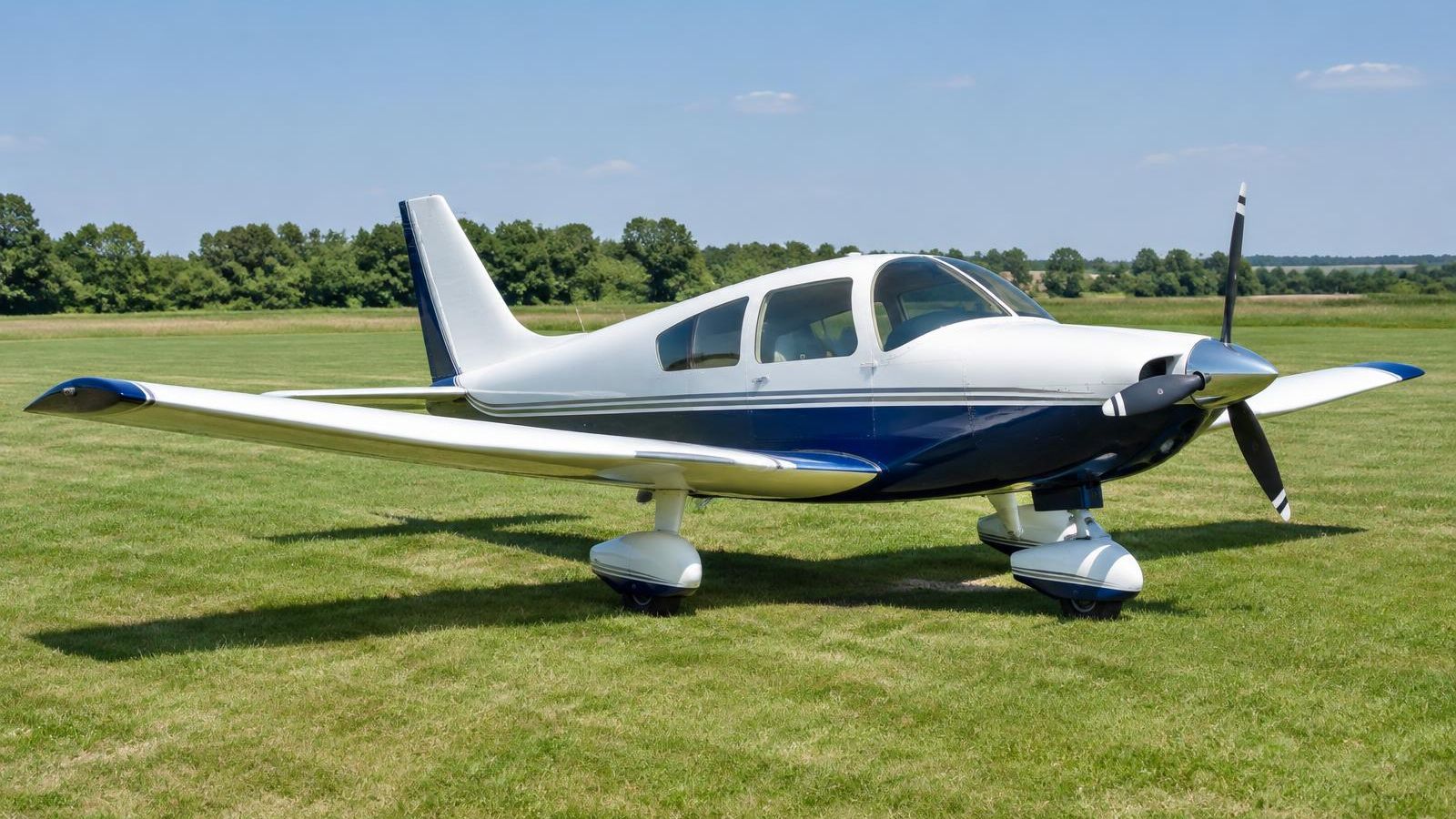
In return, its privileges are more limited. The LAPL(A) allows the holder to fly single-engine piston aeroplanes with a maximum take-off mass of 2,000 kg, carrying no more than three passengers, meaning four people on board. It is valid only within the European framework and does not carry the international recognition associated with the PPL. The medical fitness required is an LAPL medical certificate, which is less demanding than the one for the PPL.
To remain current, an LAPL holder needs recent experience: within the last 24 months, at least 12 hours as pilot-in-command, 12 take-offs and landings and a one-hour refresher flight with an instructor.
The PPL: the international benchmark
The PPL(A) is the "classic" private pilot licence. The DGAC summary lists the following requirements:
- minimum age of 17;
- at least 45 hours of flight time, of which 5 may be completed in a simulator;
- including 25 hours of dual instruction;
- and 10 hours of supervised solo flight, including a solo cross-country flight of at least 270 km (150 nautical miles) with full-stop landings at two aerodromes other than the departure aerodrome.
The PPL requires a Class 2 medical certificate. It opens up wider possibilities: heavier aeroplanes, a number of passengers not limited by the licence itself, additional ratings such as night flying, instrument flying or multi-engine aeroplanes, and use outside Europe under International Civil Aviation Organization rules. It is also the first step for anyone considering a professional career later on.
Training in two parts
Whichever licence you choose, training has a theoretical and a practical part. The theory covers subjects such as air law, meteorology, navigation, human performance, principles of flight, aircraft general knowledge and communications. It ends with a theoretical examination organised under the DGAC's authority.
The practical part takes place at a training organisation, often a flying club, declared to or approved by the authority. It ends with a flight test with an examiner. The hours set by the regulations are minimums: in reality, most students fly more before they are ready for the test.
How to choose
The LAPL suits pilots who want to fly for pleasure in Europe, in light aeroplanes, with a few passengers. The PPL is for those who want to keep every option open: flying abroad, additional ratings or a professional plan. Hours flown for the LAPL can largely be credited if you later decide to obtain the PPL. In every case, your instructor and flying club remain the best people to help you plan a suitable path.
Sources
Related
General aviation
Gliding: how to learn and obtain the SPL sailplane licence
With no engine, a glider uses the energy of the atmosphere to stay aloft for hours. First solo at 14, licence at 16: here is how gliding training works.
28 September 2026
General aviation
Microlights in France: six classes of aircraft and a licence with no minimum hours
Paramotor, weight-shift, three-axis, gyroplane, balloon or ultralight helicopter: the French ULM category covers six families of aircraft. An overview of a popular activity in France and the steps to becoming a pilot.
24 September 2026
General aviation
Flying clubs, the FFA and the BIA: gateways to leisure aviation in France
Nearly 600 flying clubs and more than 40,000 members: in France, learning to fly usually means joining an association. For younger people, the aeronautical initiation certificate (BIA) offers a first step.
15 September 2026